

Home Ergonomic Setups Drive New Desk-and-Chair Pairing Logic, Reflected in AndaSeat Xtreme Series
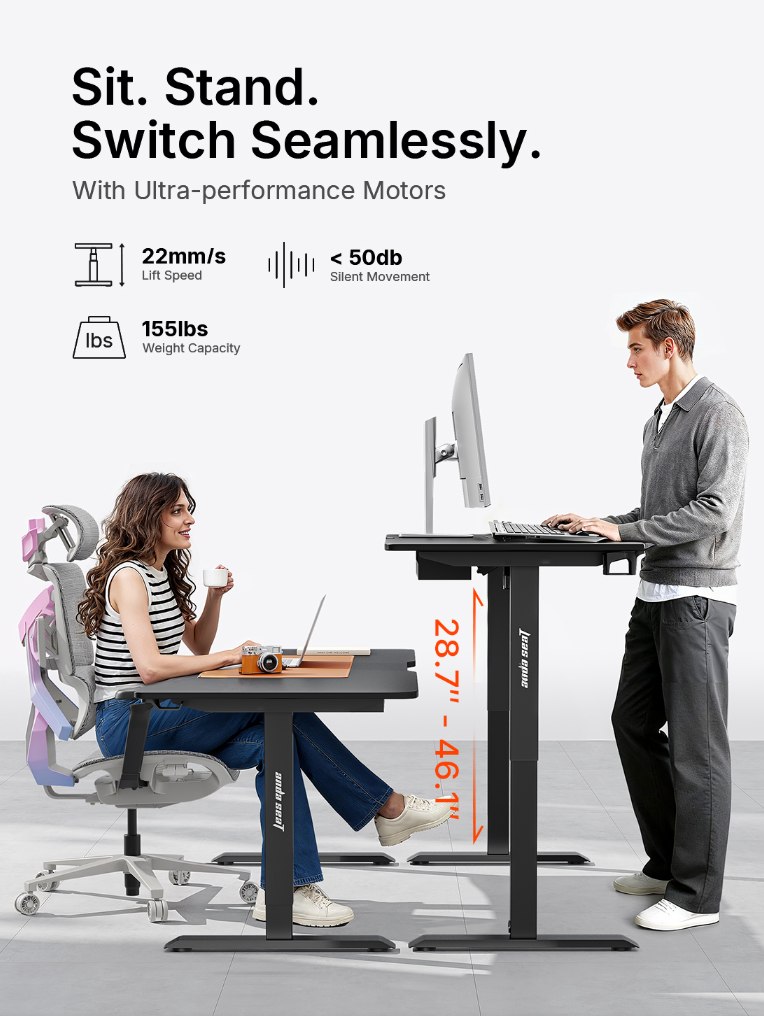
Xtreme Desk Feature Standing
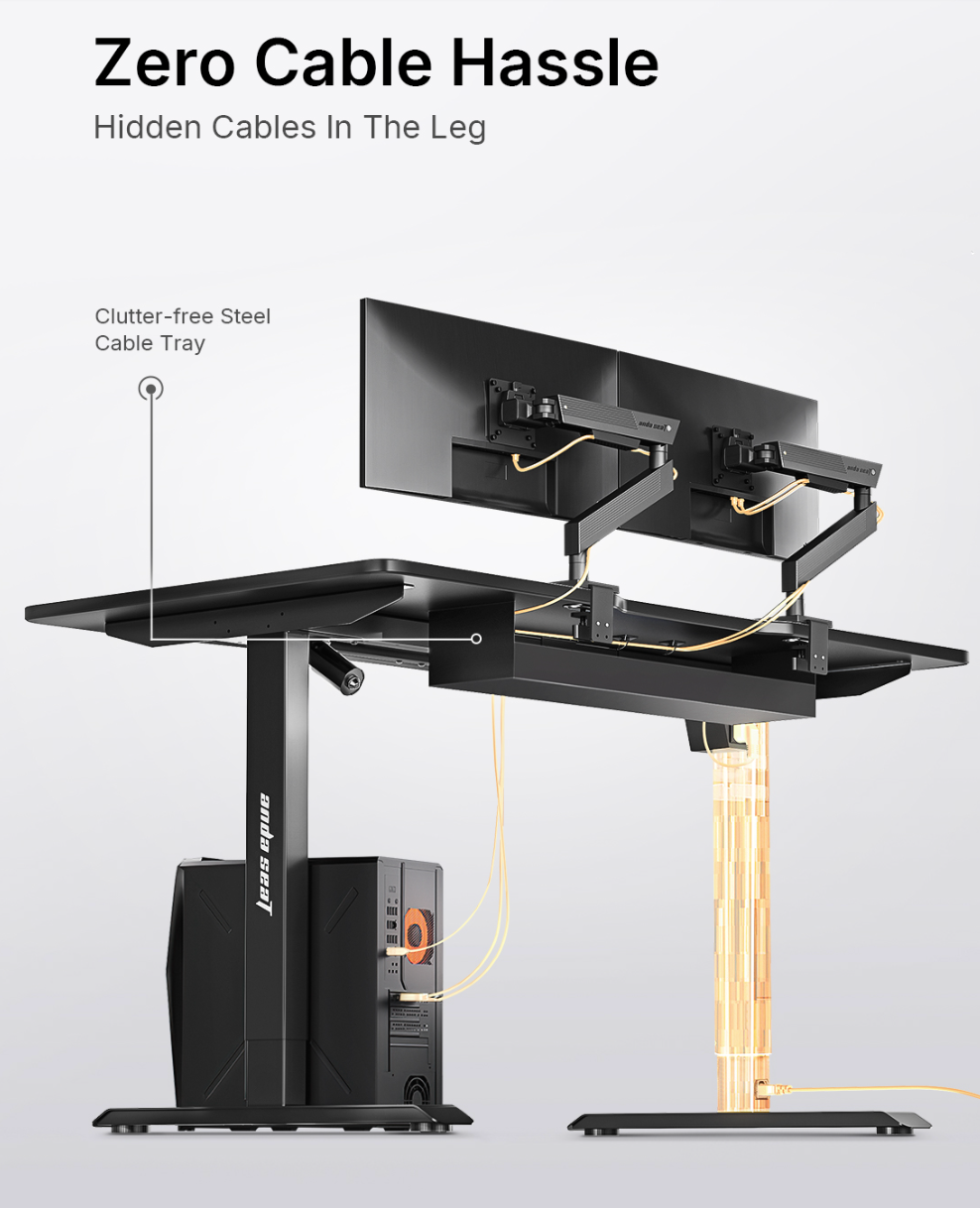
Xtreme Desk Feature 0 Cable
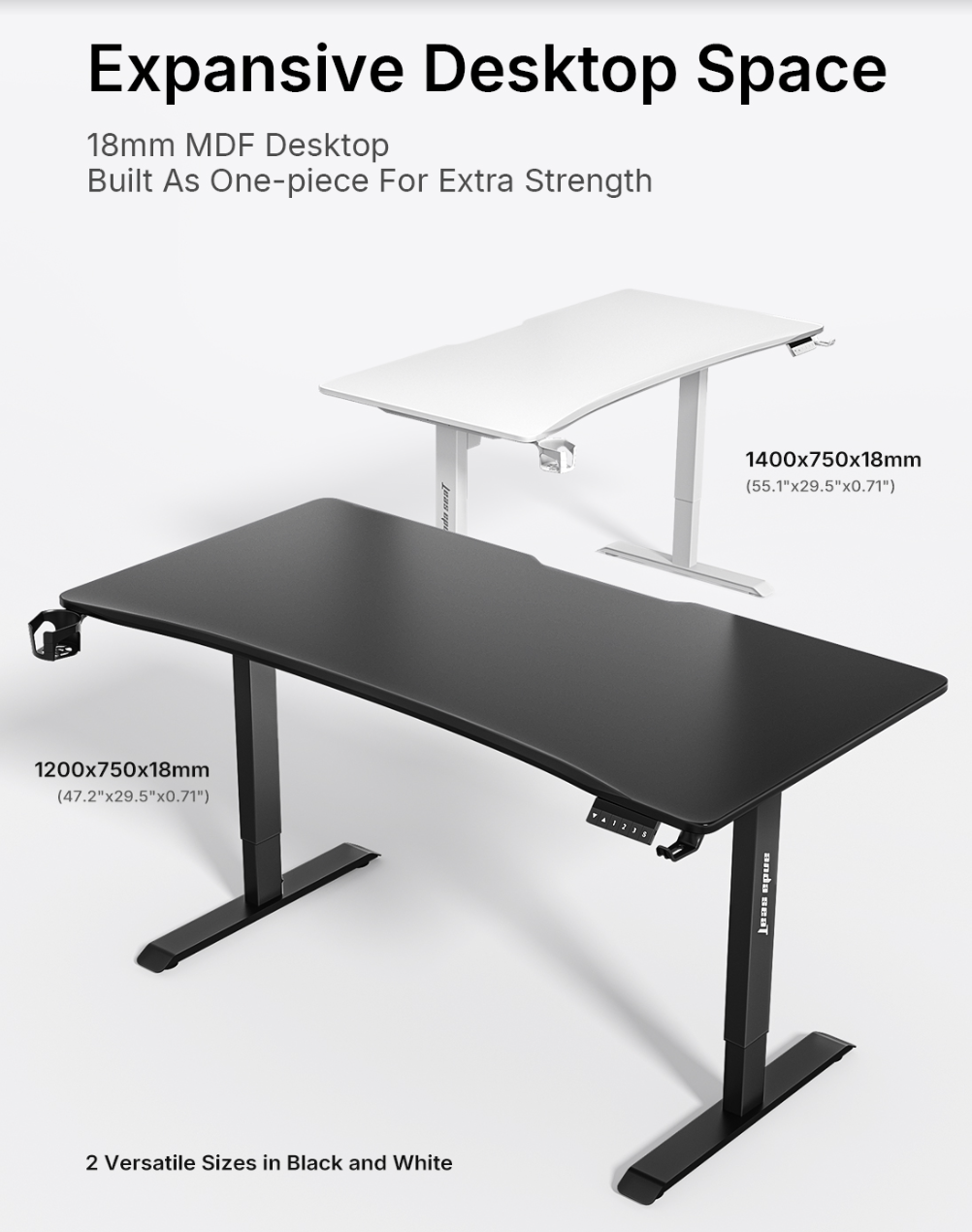
Xtreme Desk Feature 2 Size
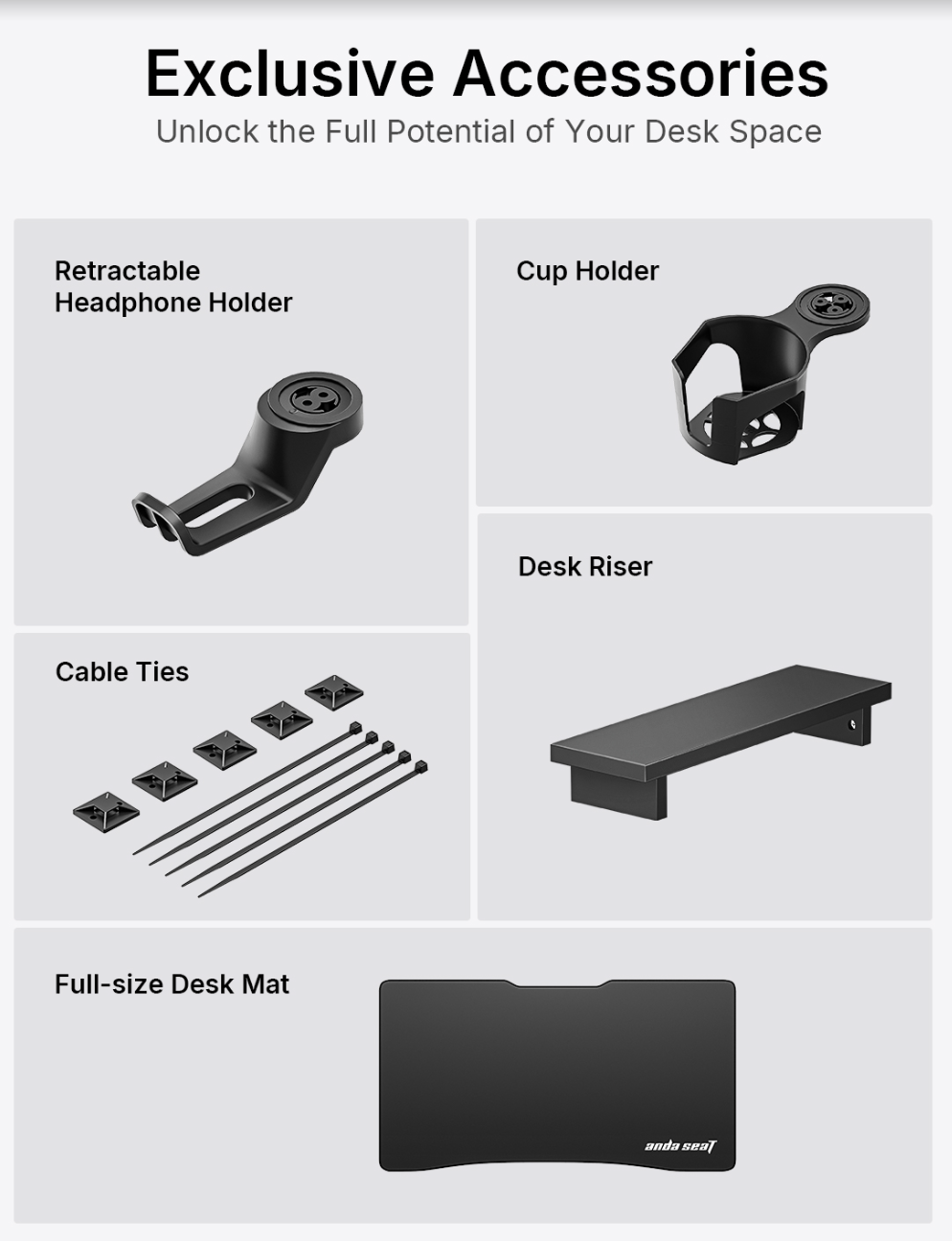
Xtreme Desk Feature Desk Accessories
Home Ergonomic Setups Drive New Desk-and-Chair Pairing Logic, Reflected in AndaSeat Xtreme Series
SPOKANE, WA, UNITED STATES, February 10, 2026 /EINPresswire.com/ -- As home environments continue to absorb activities once confined to offices, consumers are rethinking how ergonomic furniture is selected and used. One notable shift emerging from recent research is the growing tendency for desks and chairs to be evaluated together rather than as independent purchases.This change reflects a broader understanding that posture, comfort, and long-term usability depend on how seating and work surfaces interact throughout the day. In home ergonomic setups, where furniture must support work, gaming, study, and leisure within the same space, mismatched desks and chairs are increasingly viewed as a source of discomfort rather than flexibility.
The AndaSeat Xtreme Series standing desk provides a useful case for examining how this pairing logic is influencing purchasing decisions.
From Isolated Purchases to System Thinking
Historically, desks and chairs have been purchased separately, often months or years apart. In office environments, this separation was mitigated by standardized furniture dimensions and professional fitting.
Home users, however, operate without such infrastructure. Research into home workspace behavior shows that more than fifty percent of users combine desks and chairs from different brands, heights, and design philosophies. Among those users, a majority report at least one persistent discomfort issue related to posture or reach.
As awareness of ergonomic alignment increases, consumers are beginning to treat desks and chairs as components of a single system rather than interchangeable items.
Why Desk Height and Chair Support Are Interdependent
Ergonomic studies consistently emphasize that effective posture support relies on relative positioning rather than absolute specifications. A chair with appropriate lumbar support may still fail to deliver comfort if paired with a desk that does not adjust to complementary heights.
Similarly, a standing desk that transitions smoothly between positions may be underutilized if the seated posture encourages slouching or pressure concentration.
Home users are increasingly sensitive to this interaction. Surveys conducted between 2024 and 2025 indicate that nearly forty-five percent of respondents who replaced either their desk or chair did so after identifying incompatibility between the two.
Sit-Stand Desks Introduce New Chair Expectations
The growing adoption of sit-stand desks has further blurred the line between desk and chair selection. Unlike fixed desks, standing desks require chairs that support frequent posture changes and maintain comfort during transitions.
Research examining sit-stand behavior at home shows that users who alternate between sitting and standing multiple times per day place greater emphasis on seat stability, cushioning resilience, and armrest adjustability.
In this context, chairs are no longer evaluated solely on seated comfort but also on how well they support transitions back into sitting after standing periods.
Stability Across Positions Becomes a Shared Requirement
Stability has emerged as a shared priority across both desks and chairs. While traditional ergonomic discussions often focus on seating support, recent findings suggest that perceived instability in either component can undermine confidence in the entire setup.
For desks, instability at standing height discourages prolonged use. For chairs, excessive flex or uneven support reduces comfort after posture changes.
The Xtreme Series standing desk addresses desk-side stability through its cold-formed steel T-frame, designed to remain steady across its full height range. When paired with a stable ergonomic chair, the desk contributes to a sense of continuity between sitting and standing tasks.
This alignment reflects a growing preference for setups that feel predictable rather than adjustable for adjustment’s sake.
Cable Management Influences Chair Placement and Movement
Cable management is often discussed as a desk feature, but its impact extends to seating as well. Exposed cables beneath desks can restrict chair movement, interfere with foot placement, or introduce safety concerns in shared spaces.
Home workspace studies show that users who report dissatisfaction with cable organization are significantly more likely to limit chair mobility or adjust seating posture to avoid obstructions.
By integrating internal cable routing and a steel cable management tray, the Xtreme Series reduces interference beneath the desk surface. This design consideration supports natural chair movement and encourages consistent seating positions.
Visual Cohesion Matters More at Home
Unlike offices, where furniture is often visually uniform, home environments place greater emphasis on cohesion and visual calm. Research into home interior satisfaction indicates that mismatched furniture contributes to visual fatigue, particularly in multipurpose rooms.
As a result, users increasingly seek desks and chairs that align in proportion, finish, and overall design language. This does not require identical aesthetics, but rather compatibility in scale and visual weight.
The restrained appearance and neutral finishes of the Xtreme Series reflect this shift toward furniture that integrates rather than dominates. When paired with ergonomic seating designed for extended use, the desk contributes to a unified workspace rather than a collection of disparate components.
Control Interfaces Encourage Coordinated Use
Ease of adjustment plays a role not only in desk usability but also in how chairs are used. Behavioral research suggests that users are more likely to adjust both desk height and seating posture when controls are intuitive and responsive.
Complex or inconsistent interfaces can lead users to fix one element in place, reducing the ergonomic benefits of the setup as a whole.
The digital control panel of the Xtreme Series offers programmable height presets and optional reminders, supporting gradual posture variation. This simplicity encourages users to coordinate desk height with chair settings rather than treating each adjustment as a separate task.
Gaming and Work Converge at the Same Setup
The convergence of gaming and work within the same home setup further reinforces the need for desk-and-chair compatibility. Gaming sessions often involve different posture dynamics than office tasks, including lateral movement, leaning, and extended arm reach.
Research focused on hybrid gaming-work environments shows that users prefer setups that accommodate both without requiring furniture changes. In these scenarios, desks and chairs must support a range of movements while maintaining consistent alignment.
The Xtreme Series, designed for stability and unobtrusive integration, supports this flexibility by providing a steady surface that complements ergonomic seating across activities.
Reframing the Buying Process
As consumers become more informed, the purchasing process itself is evolving. Instead of asking whether a desk or chair is “ergonomic,” buyers increasingly ask whether the two work well together.
This reframing shifts attention away from individual features and toward overall experience. Furniture that supports coordination between seating and work surface is more likely to remain in use over time.
The AndaSeat Xtreme Series illustrates how desks can be designed with this pairing logic in mind, aligning with ergonomic seating to support sustained comfort across daily routines.
An Integrated Approach to Home Ergonomics
The growing emphasis on desk-and-chair compatibility reflects a broader maturation of the home ergonomics market. As users move beyond novelty and experimentation, long-term usability becomes the defining measure of success.
Rather than offering a single solution for all environments, this trend highlights the importance of systems thinking in furniture design. Desks and chairs are no longer isolated purchases but interconnected elements within a shared space.
As home ergonomic setups continue to evolve, products designed to support coordinated use are likely to play an increasingly central role in how comfort and posture are managed at home.
Caroline Chen
AndaSeat
+ + 86 139 2232 2347
email us here
Visit us on social media:
LinkedIn
Instagram
Facebook
YouTube
TikTok
X
Legal Disclaimer:
EIN Presswire provides this news content "as is" without warranty of any kind. We do not accept any responsibility or liability for the accuracy, content, images, videos, licenses, completeness, legality, or reliability of the information contained in this article. If you have any complaints or copyright issues related to this article, kindly contact the author above.
